Lessons Cats Have Taught Me
Exercising Free Will
Rest When Needed
Play Often
Demand to Get Your Way
Boundaries
Trust Your Instinct
Love Those Who Love You
Disclaimer: I won’t be adding one. Self-explanatory.
To say I’ve owned cats my whole life is wrong; any cat person knows that. Cats are not owned so much as negotiated with and quietly obeyed. The term’s archaic as it misunderstands the arrangement entirely. We may take care of cats, in all the sense of the word, but they remain unmistakably their own entities.
Put simply, I’ve always lived with cats and loved being around them. I’ve never known a home without one, and whether I’m at home or away, our paths always seem to cross.
Coming from cat-loving homes, after moving to the city, it only took five months of quiet evenings for us to realise something was missing. Pitter-patter of paws and the light scratches at the door. After much thought and several months of searching, Momo entered our lives.
Originally named after a pet from one of our favourite shows, Momo quickly became more than one name: Momosito, Momojito, Moomoon. Pet parents know the list is endless, and always changing. That’s the paradox of pet names. With humans, they tend to stay sweet and predictable with love, baby, sweetheart. With pets, they mutate into anything and everything, evolving into a private language of affection.
Most of the time they answer to it when dinner is involved; at other times, especially when being told off, they choose not to hear you at all.
That selective hearing leads me to the first lesson cats have taught me:
Exercising Free Will (When You Can)
Cats are famously free-spirited and independent. They do what they want, when they want, whether that means chasing shadows and toys or stretching across a laptop when you’re trying to write (current). They love to exercise their free will without apology.
As humans, we don’t have the luxury of being as free as our four-legged friends, but they remind us to claim the small freedoms whenever we can.
We often forget to exercise our free will – because, firstly, what exactly is it that we want? Crowded by insecurity and comparisons projected by social media, scrutiny can feel constant, as though watching others means they must be watching us too. But when you step away from the ostensible gaze, even briefly, the surveillance begins to loosen. In the safety of the offline world- your own home and private reverie- there is more room to move.
Cats don’t have smartphones.
They are not afraid of misrepresenting themselves because they have no curated self to maintain.
Rest When Needed
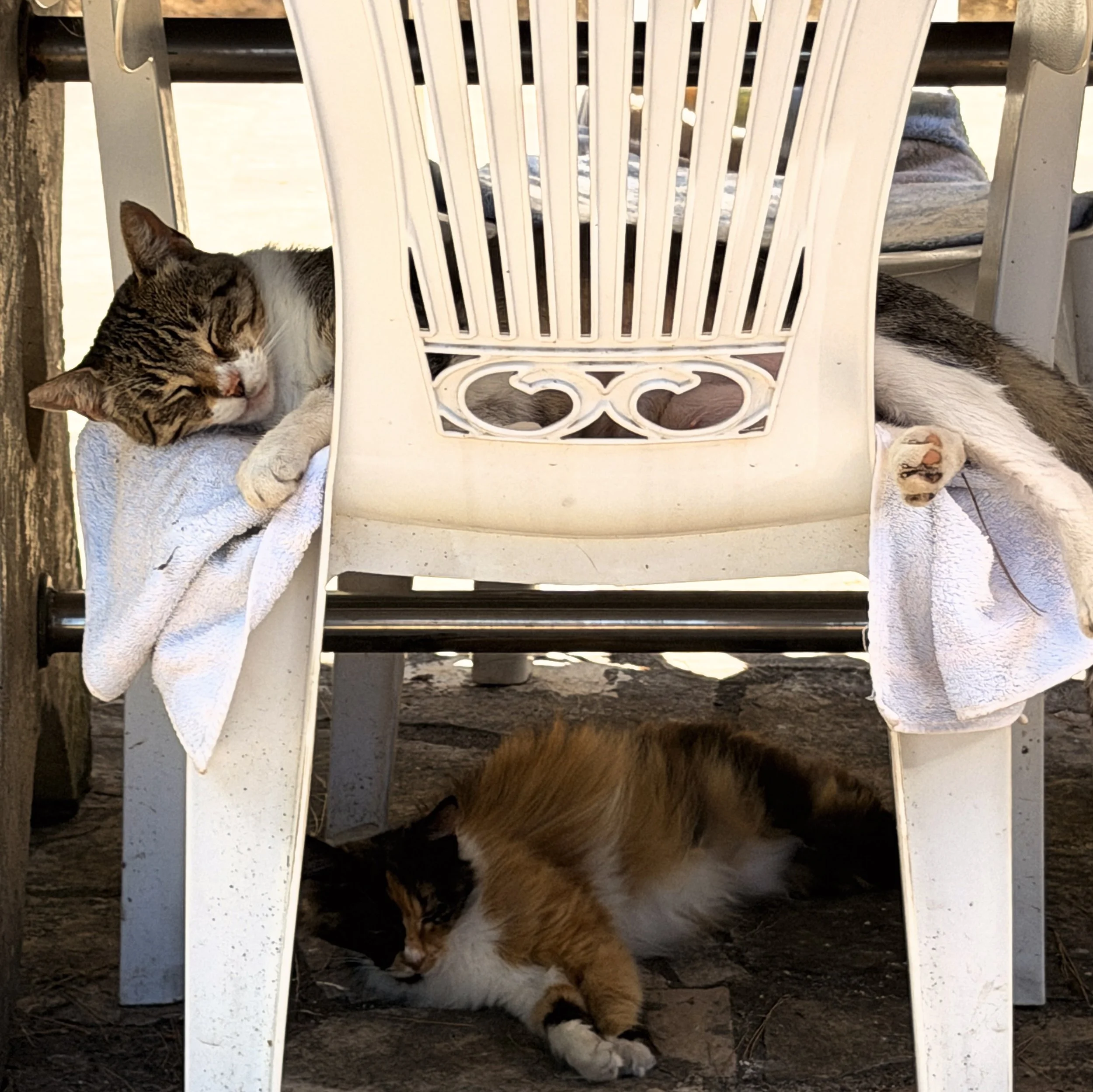
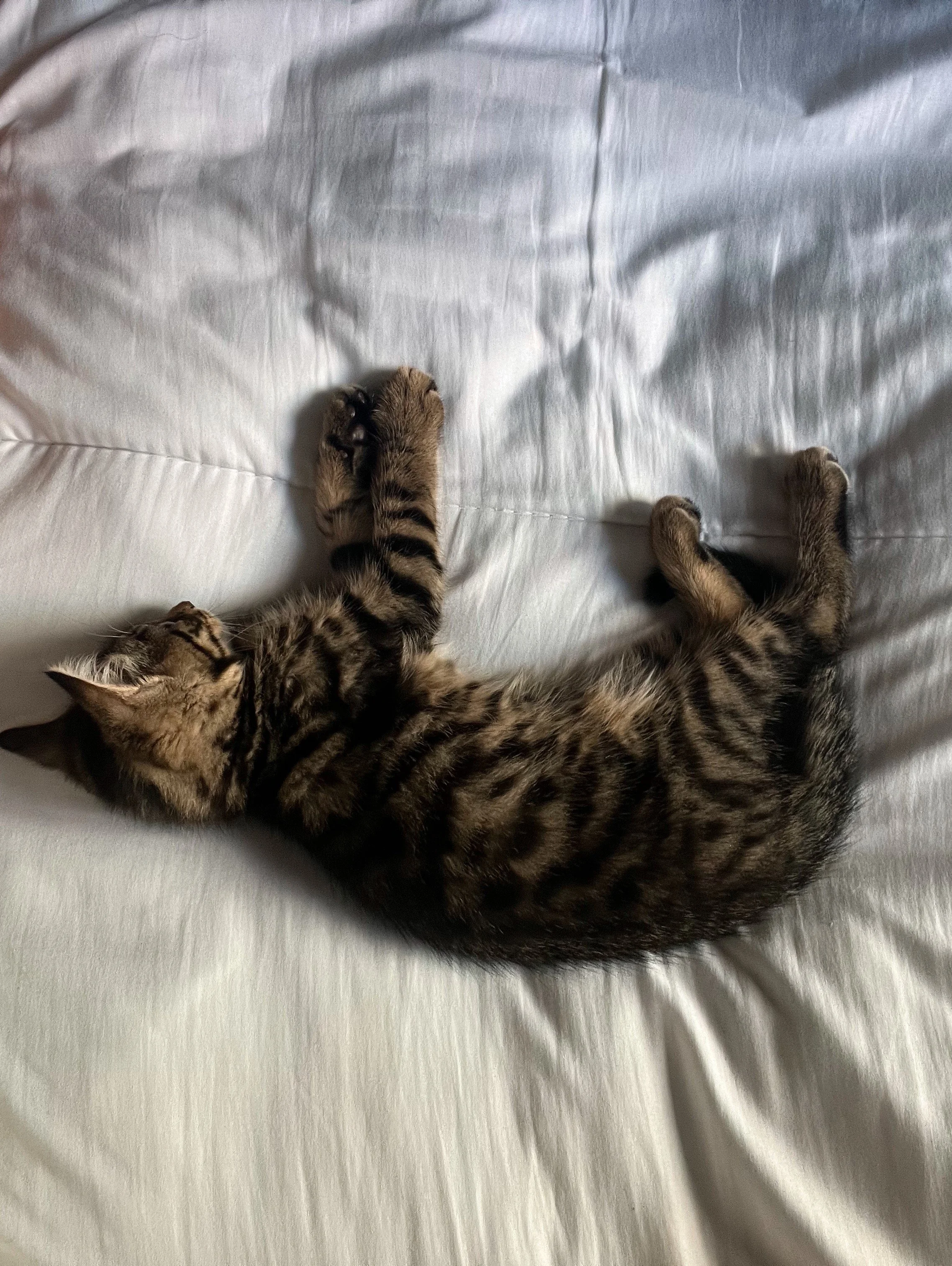
Momo loooves a nap. As does Milo. Kittens need around eighteen to twenty hours of sleep a day; even adult cats often sleep between twelve and sixteen hours.
Of course, cats don’t run on the same clock we do. They don’t work or study. They don’t have the same responsibilities.
Yet, what we can learn from this is to: Take breaks! Take naps! Less focus on the ‘hope you get well soon’ energy and more ‘return when you are rested and ready’.
Everyone’s body and routine are different; a Bengal may need something different from a tabby or a ragdoll. The point is to recognise when your body has said it needs the extra hours of sleep.
Also, what’s better than cuddling up to your kitten after a long hard day?
Play Often
Zoomies are the frantic bursts of energy when kittens and cats dash around, bounce off walls, seemingly briefly possessed by joy. Funny to witness, they reveal something useful: the body sometimes needs release before it can settle.
Humans need that too. In a world where we are expected to be primmed and polished – you need to go a little wild. Call your friends, dance in the kitchen, scream into the void, vent about the outrageous thing that happened, or sweat through a hard workout. Brief chaos can make the peace that follows feel earned.
Post-exercise high, euphoria after catching up with friends, the mental quiet after a good vent, or reading, writing, walking, dancing, or doing whatever makes life feel less heavy are all forms of human play.
Clean life this, soft life that, blah - a healthy life should also be a happy and content one. That looks different for everyone. Make time for it.
Demand to Get Your Way
Have you ever been woken at 6 a.m. by your pet asking for food or playtime? Whether through persistent meowing, loud purring or strategic pawing, they’ll make it known. Wake up!
Having your needs heard is as important as making space for everyone else in the room. Both can coexist. It is a matter of finding the right tone, words and behaviour, which cats are professionals at.
We can’t meow at colleagues, managers, friends, loved ones or people we are trying to impress, but we can learn from a cat’s certainty.
Wanting something is not embarrassing; communicating it clearly is a skill.
Boundaries
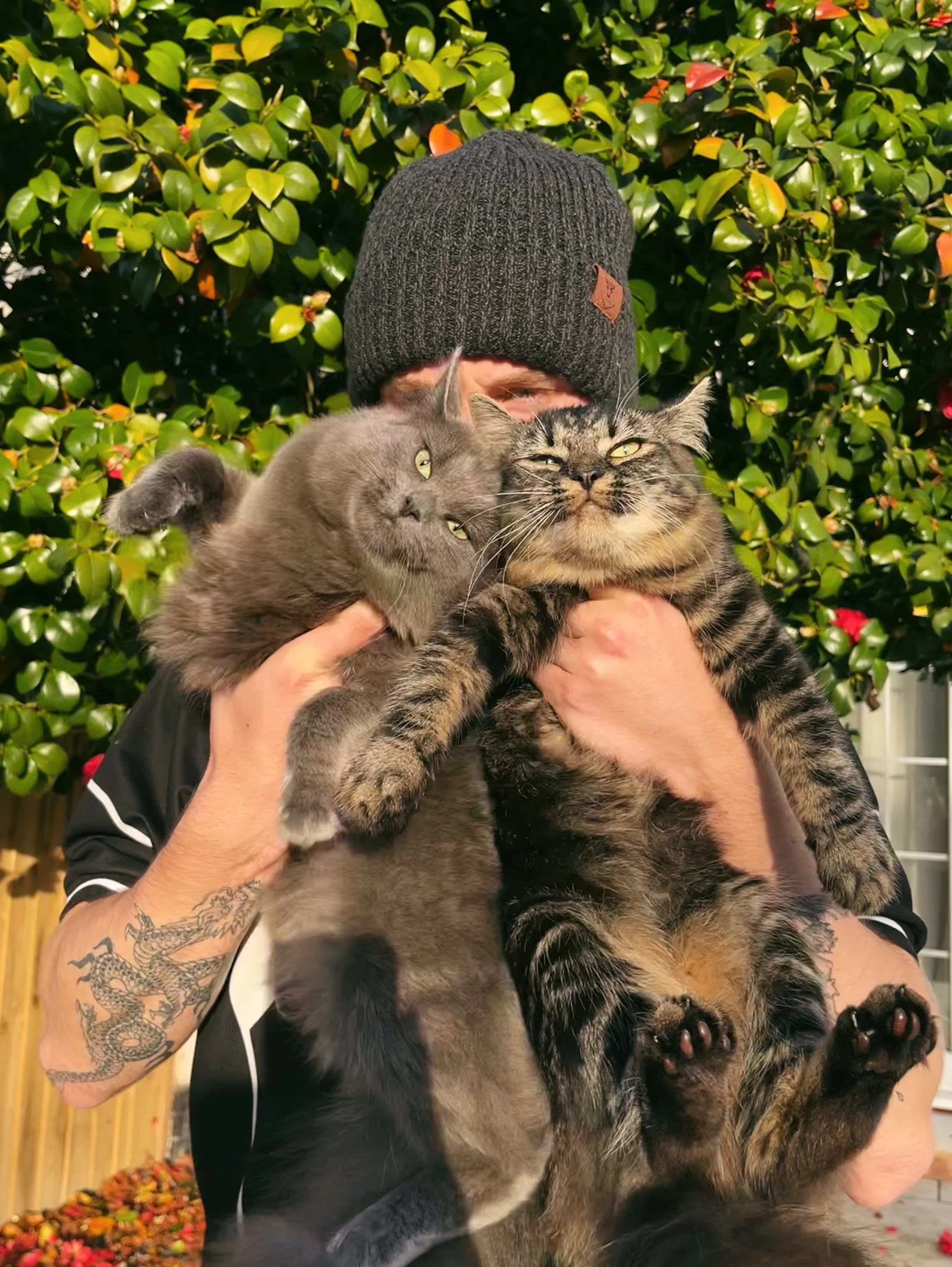
When your cat is done being stroked or playing, trust me, you’ll know. They might softly bite, or push your hand away or leave, making the message clear.
Some cats are friendlier with strangers than others, but all of them teach you that access is conditional. They decide who approaches, and when and where. All of it is on their terms.
Learning from them means knowing when to set limits around what’s acceptable and what’s not. Boundaries aren’t meant to shut people out; they create the conditions for respect, trust, and understanding.
Having had moments in my personal and professional life where I’ve overextended my time and effort at the expense of my physical health, mental health, relationships and self-care. I am learning, slowly, to tap into my inner feline before I reach that point again. There are limits to what I can do, and I’m only human.
When struggling to set them, I ask: WWACD?
Trust Your Instincts
Ever had that tingly feeling when the vibes are off?
Regardless of how socialised we are, most of us recognise that innate gut feeling when a situation feels wrong.
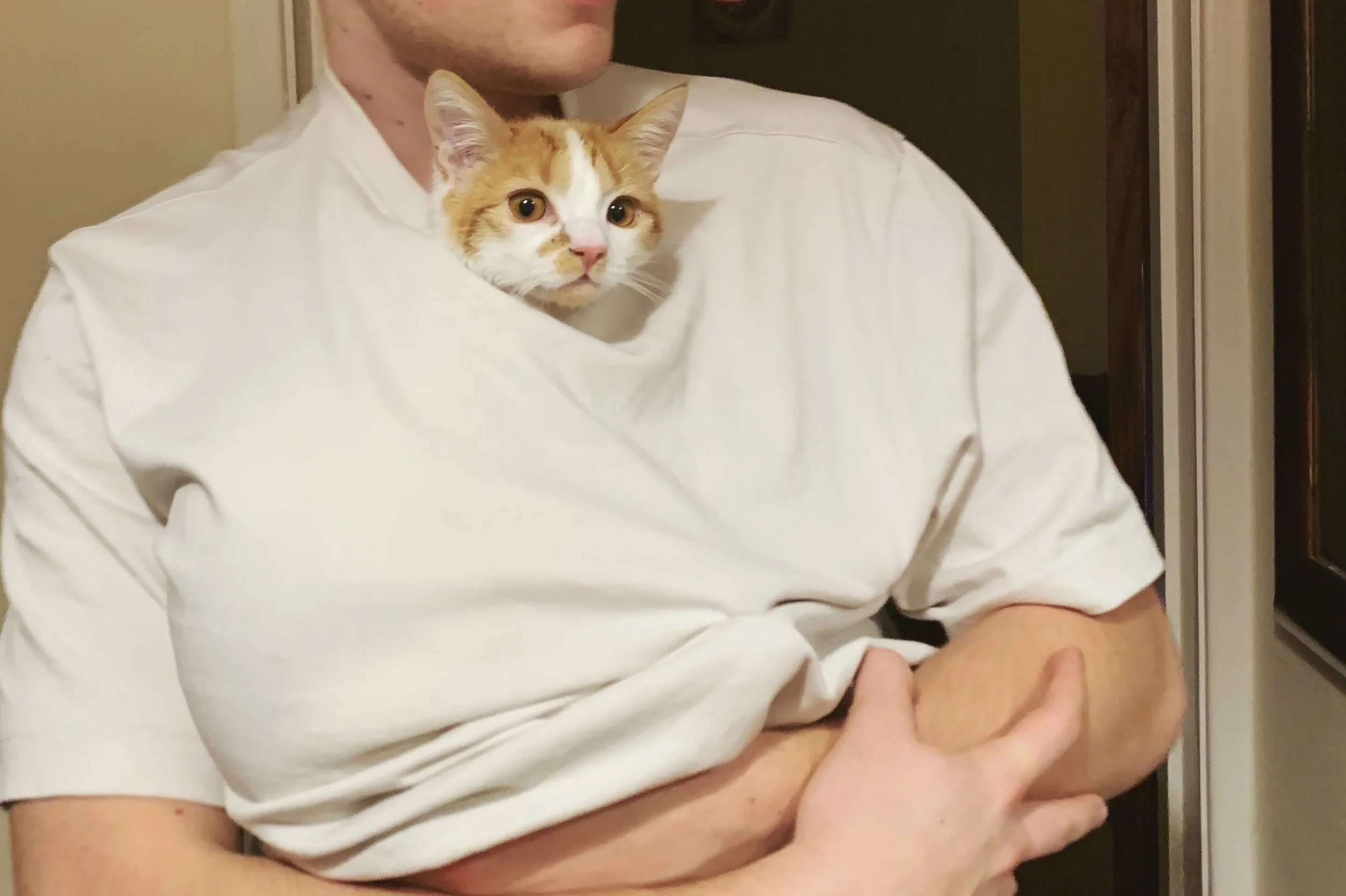
Kittens pause, move away, becoming more wary when something unsettles them. As little predators, they have sharp survival senses; humans have their own version, too: fear, adrenaline, the instinct to fight, flee, or freeze.
The difference is that cats run, hide, or hiss, while humans are often taught to talk ourselves out of our instincts. Personal, societal, and inherited experiences can affect how we assess danger, so we rationalise the feeling rather than listen to it. If you naturally trust your intuition, you may already relate to Momo and Milo; if not, it can take practice to translate instinct into action.
Love Those Who Love You
When cats choose you – you know.
They don’t trust just anybody, nor love everybody. The head nudges, purrs, slow blinks, sleeping beside you and trailing you around the house, are all ways they show attachment. Cats seem to experience love through tactile bonding, safety and repeated action.
For humans, seeing, accepting and showing love can be more complicated. Childhood conditioning and disappointing past experiences can distort affection into something difficult to trust. Adoration can be manipulated, affection corrupted, and devotion twisted. No wonder people hesitate when someone says they want to be with you, and only you, forever. This world is complicated. Messy.
So, let’s try to simplify it.
Do you share a tactile bond?
Do you feel safe around your person? (Safety can be physical and psychological: relaxed muscles, a lower heart rate, vulnerability, laughter and ease.)
Do you have a mutual and tangible understanding of behavioural cause and effect? (If you do X, it makes me feel Y.) Because cats cannot use language, our actions shape their reactions. If we behave erratically or unusually, the mutual understanding between us weakens, and so does the bond of agreement. That is why routine matters to them.
Oscar Wilde, famously a cat lover, captures something of this in The Picture of Dorian Gray when Lord Henry says:
“Romance lives by repetition and repetition converts an appetite into an art… We can have in life, but one great experience at best, and the secret of life is to reproduce that experience as often as possible.”
Love, like trust, becomes meaningful through what is returned to again and again.
Every time I reread Wilde’s work, I see more clearly how his love for cats slipped seamlessly into his writing. Same.
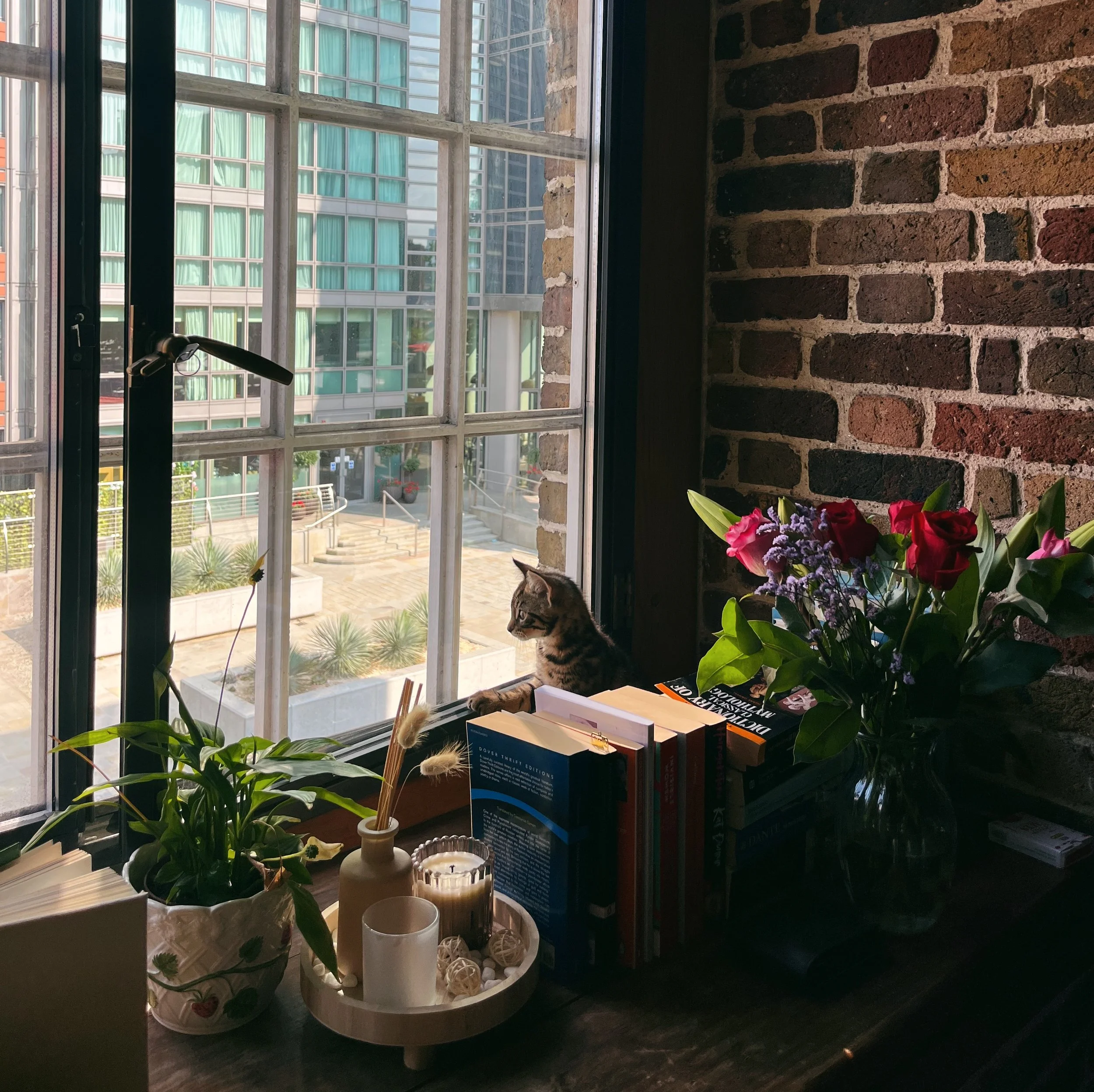
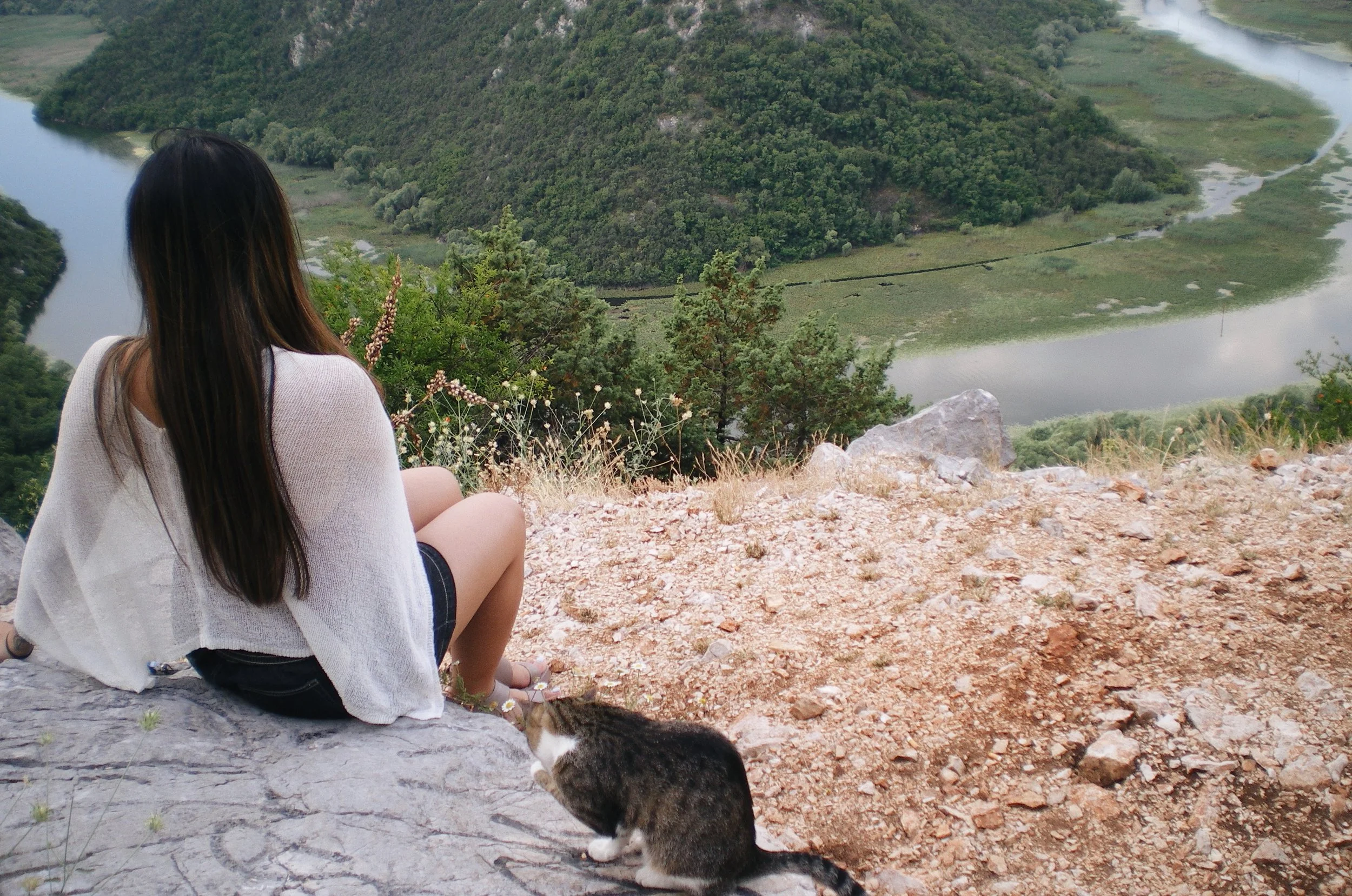
Some of the loveliest things I have learned from the cats in my life are simple: lounge beneath the sun, feel the warmth on your skin, rest without guilt, play without embarrassment, leave when something feels wrong and love the people who make you feel safe.
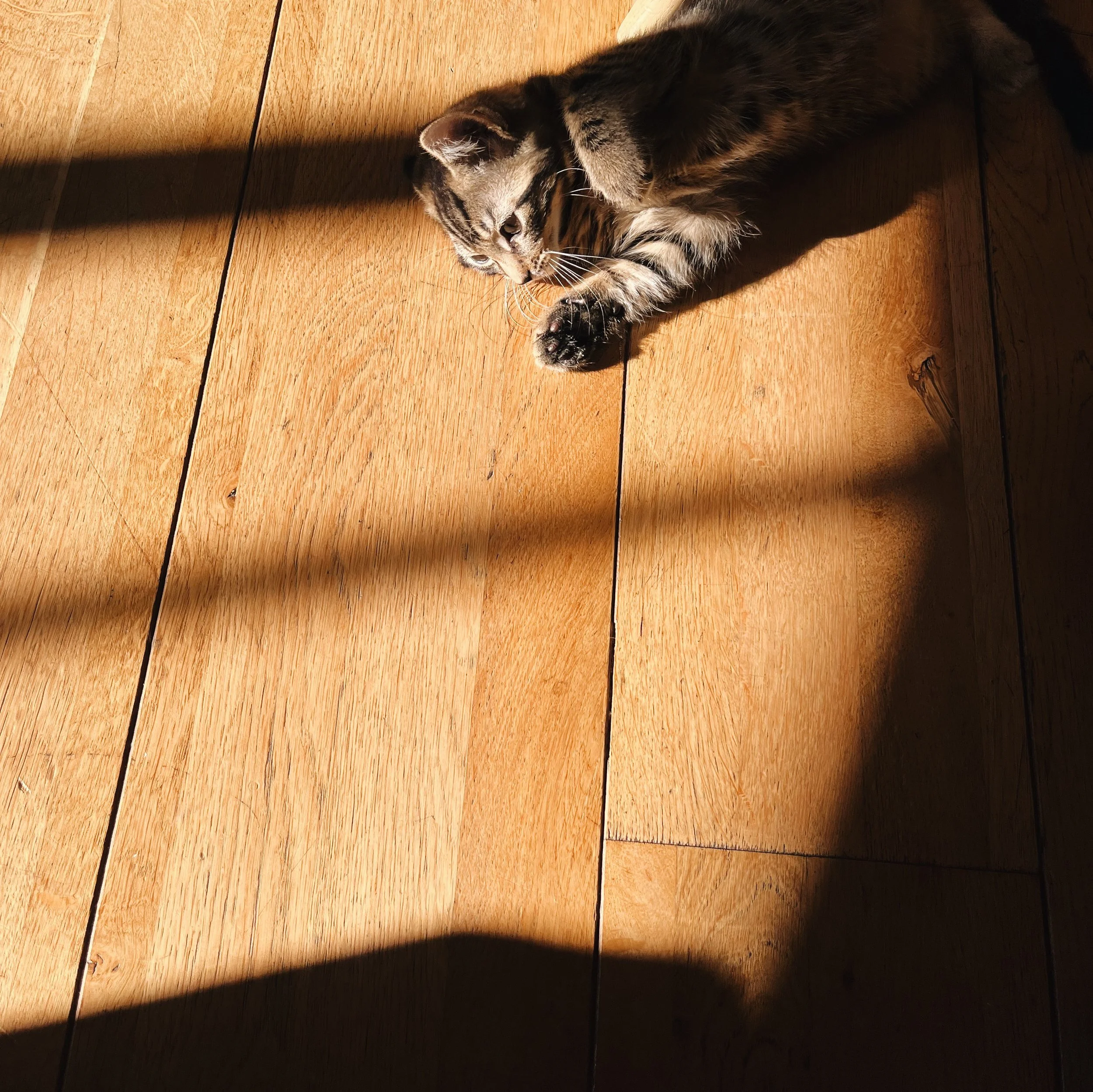
To the gorgeous felines who’ve been in my life – Milo, Momo, Polo, Blue, Brie, Felix and the holiday strays. Still can’t believe that humans managed to domesticate you tiny predators. (Though when I rigidly follow Momo’s daily routine, then remember Milo’s, one wonders if they’re the ones who domesticated us?) Either way, we’re all having a good time!
In the ephemerality we have on this Earth, what a lovely coincidence to share it with such adorable, feisty little teachers – all without them saying a single word.