All my close friends and family know that I’m a terrible communicator over messages. My lack of response isn’t that I don’t care; it’s that I don’t have the energy to give you my full attention yet. And it’s because I genuinely want to be present when reading a message before finally sending a response, and I also have a horrible habit of thinking that if it’s urgent (from past experiences, as that’s all we’re an accumulation of, after all) – they’d call. But even with that intention, I’m creating a divide in space and time between me (my response) and the individual.
Seeing messages as fractured timelines of a past memory of a friend who no longer exists to the person I’m replying to a day (or two) later isn’t as sweet, or as genuine as I believe I’m making it to be. Being a late replier doesn't make you a better or worse person, but it’s a self-reflection of habits I’ve outgrown—at least, I'm striving to graduate from. Since reading Anne Carson’s ‘Eros the Bittersweet’, it’s put that part of myself in perspective:
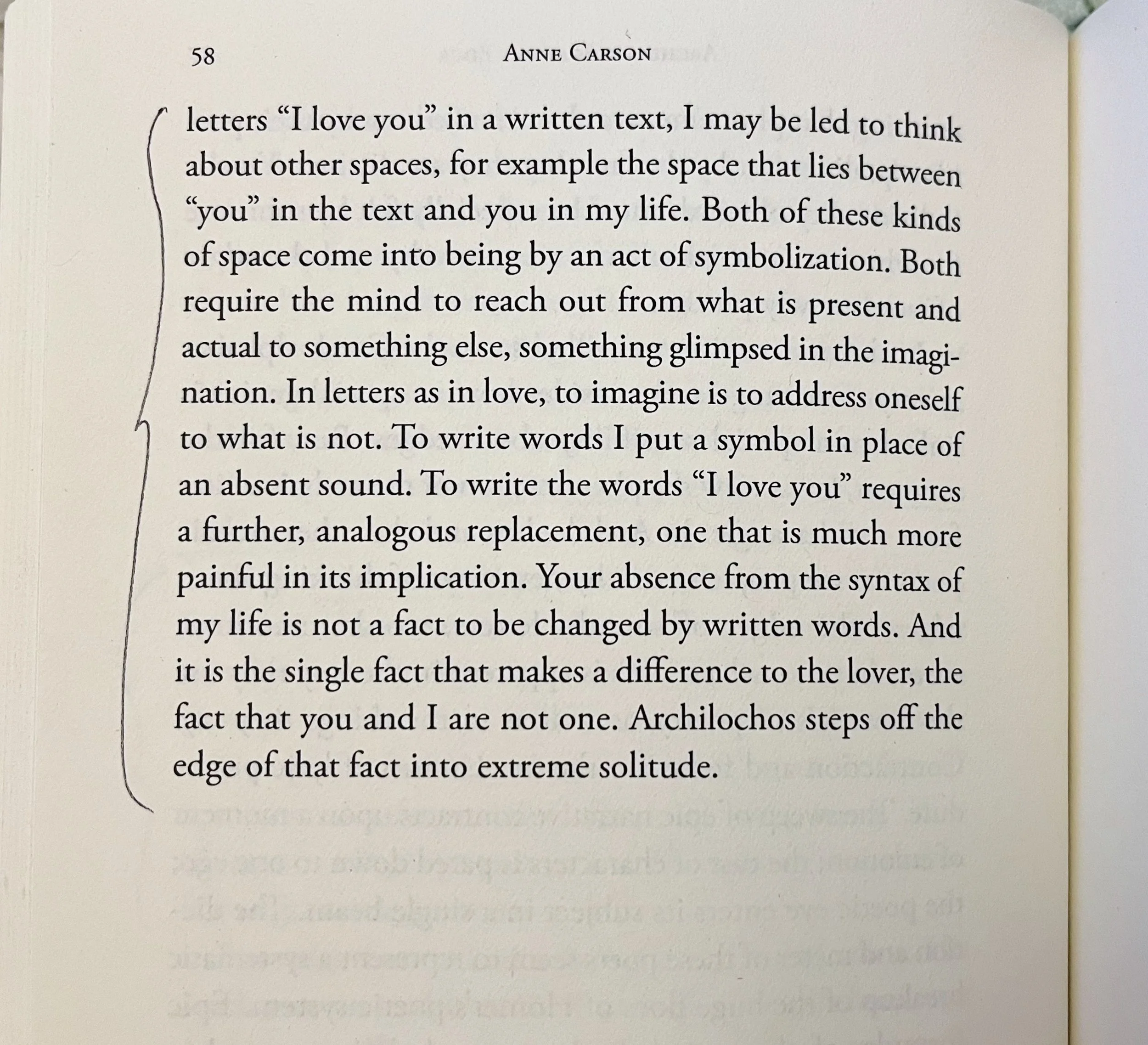
“When I contemplate the physical spaces that articulate the letters “I love you” in a written text, I may be led to think about other spaces, for example, the space that lies between “you” in the text and you in my life.”
Anne Carson graciously drops this heart-rending passage in ‘Eros the Bittersweet’. When you write a message or letter for someone else, or even journal with consideration for another person, there will always be a quantum distance between the lover, the beloved, and the “coming in between” (the edge/gap) within the triangle of desire. In relation to this specific passage, that “gap” in the written word can manifest as physical separation, the unsaid spaces between letters, the inability to fully express how one truly feels, and the suspension of response.
Through symbolisation, it encourages the individual to “reach out from what is present and actual to something else, something glimpsed in the imagination.”
I guess, I’m replying to a past version of them that felt something completely different to when they pressed ‘send’. I’ve submitted myself to their imagination, and I’ve allowed them to subject themselves to mine; that is where the third point lives: the “gap”, the space between us. That’s where the ‘bittersweet’ lives. The paradox that often unites yet detaches; I’ve seen, taken a step closer, but still faltering behind… Distance. Imagination. Why don’t I just try to bridge that gap?
“Your absence from the syntax of my life is not a fact changed by written word. And it is the single fact that makes a difference to the lover, the fact that you and I are not one.”
Despite all the love that one may have for another person, physical letters, or forms of writing can fail to capture this constant connection that the continuity of breath presents, as there is, as “breath is everywhere. There are no edges.”
Yet, in the hyper-productive, individualised culture we live in, the whole point is to isolate people. To make them too busy to reply, incapable of finding the ‘correct’ words, to create more and more and more distance between people. To sharpen the edges, build walls that prevent aporrhoai between people from “Empedokles’ celebrated doctrine of emanations”; that “everything in the universe is perpetually inhaling and exhaling small particles”, which lets everything in the universe connect to, and be touched by, everything else. Not having enough time or energy to exhibit the version of you worthy enough to send a response is so, so ridiculous, and frankly, internally self-deprecating. A trait I’m still trying to change, and it takes a whole paradigm shift (especially for someone who attaches significance to words). Maybe not every single message requires every single one of my brain cells to be awake to break that barrier. Maybe I can use voice notes more often? Maybe it’s about closing that distance by sending a short, meaningful memory or future plan; the ultimate act of love, defying the world trying to pull you in every direction, is reclaiming time. Time to pause, remember and reminisce, plan, and cultivate a seed to bloom into a new memory. For if you cannot close the spatial gap, the attempt in even limiting the intervals carries more weight than known. Time is the most precious, free thing that we can offer in this world. What an act of pure love to give this finite moment to someone.
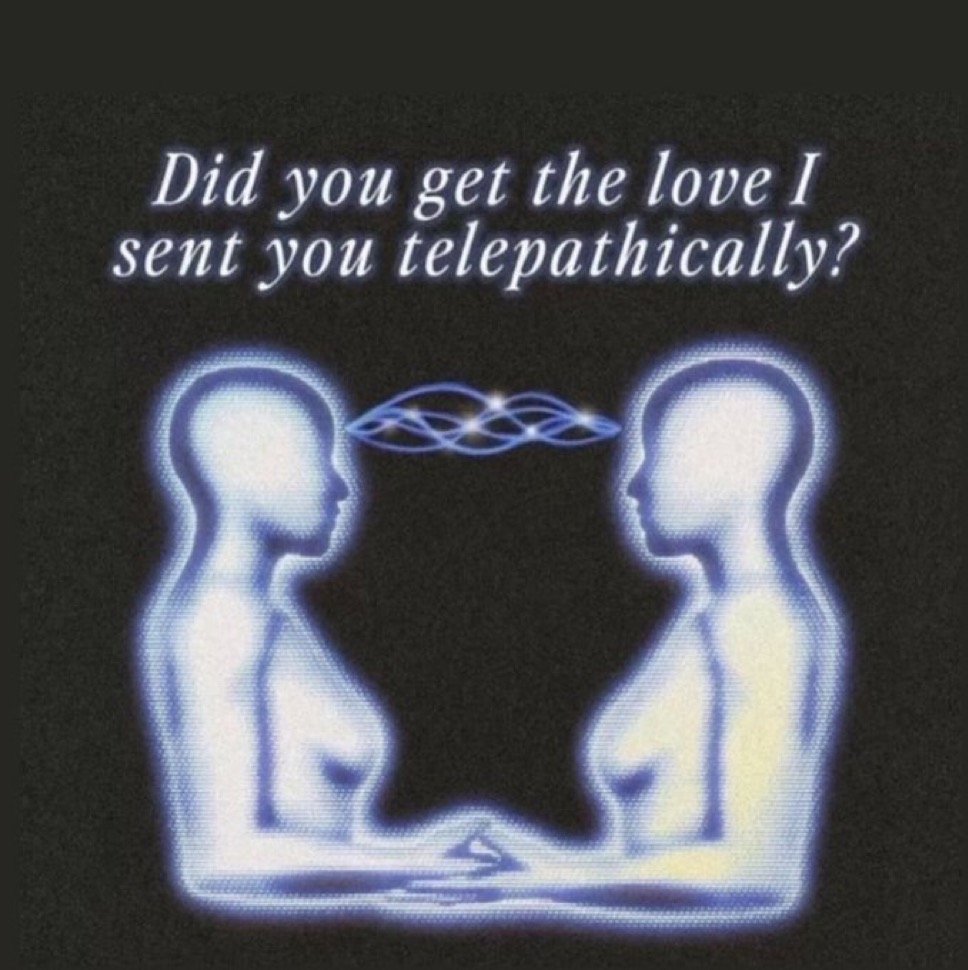

“Letters arrest and complicate an existing two-term situation by conjuring a third person who is not literally there, making suddenly visible the difference between what is, and what could be. Letters project the ideal on a screen from the actual. From within letters, Eros acts.”
When we consider the spaces humans have entered since this book's publication in 1986, the third “edge” of that geometry of desire is expansive. While there are more ways to widen that gap, there are also ways to bridge it.
It’s an eternal dance: we will never really be one, and the gap will never fully close. But Carson shows that this is where Eros lives — in the reaching. So maybe I can reach sooner: a voice note about the Halloween decorations I’ve already started putting up, a half-formed thought, a silly memory triggered by a Celine Dion song.
Here’s to living with the gap. To being a better lover to my friends.


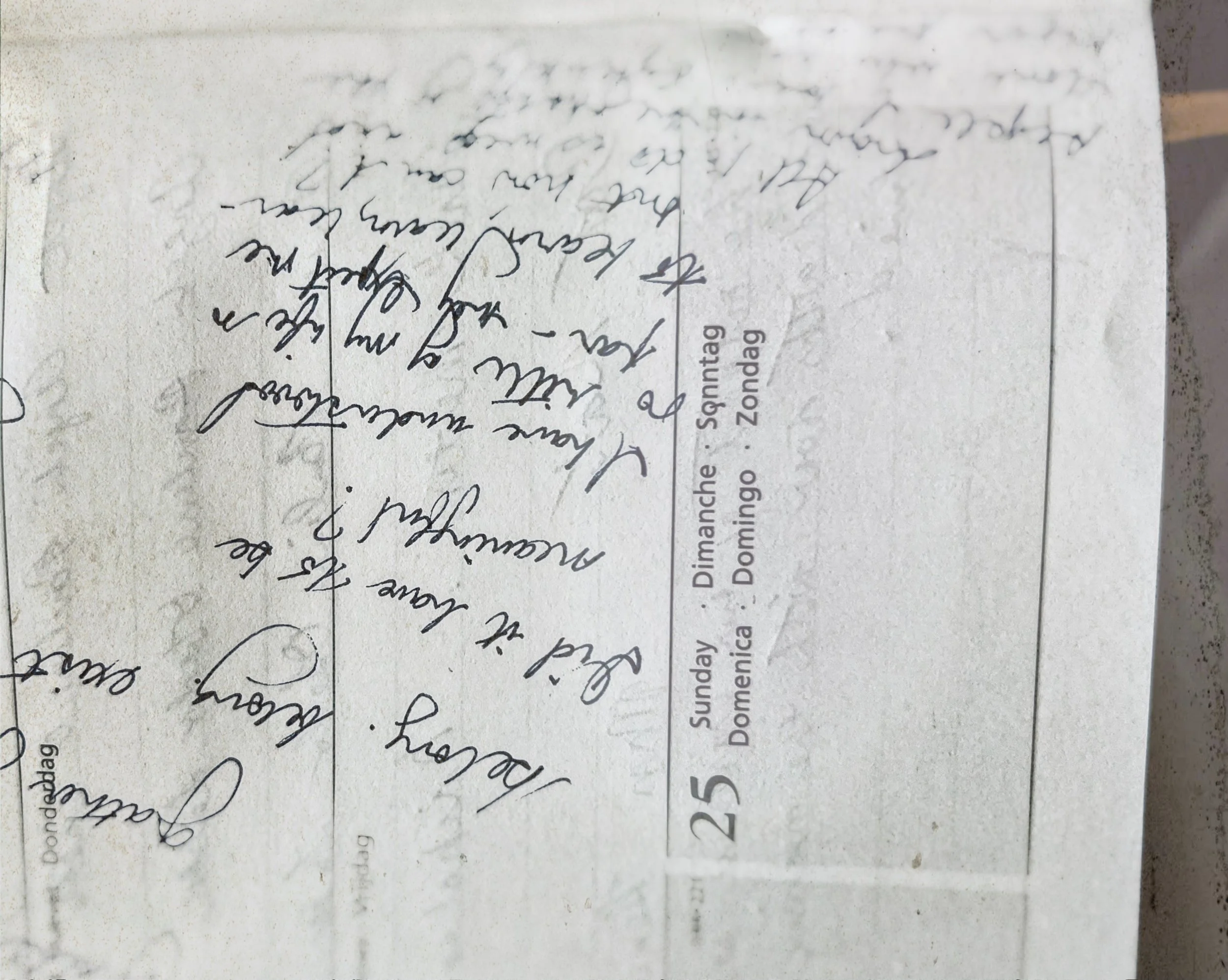
Eros the Bittersweet offers stunning insight into love, language, and poetry. It forces you to delve into the psyche of what you can learn from the omnipresent, enduring, and oscillating subject of how we approach the fragile line between affliction and ecstasy.
You can read and support on my substack or subscribe below! ❦︎ .✦ ݁˖